Museums & heritage
Care for important collections
Homes & possessions
Help protect treasured objects
Identify & monitor
Make informed pest decisions
IPM solutions
Target action where it is needed



Care for important collections
Help protect treasured objects
Make informed pest decisions
Target action where it is needed
THE HISTORYONICS APPROACH
Whether you own a few precious inherited objects, curate a collection, manage an entire historic property, or want to keep your home and possessions insect free, protecting items and property from damage by insects can be a constant concern. Natural fabrics are vulnerable to feeding by larvae of clothes moths and carpet beetles; bathrooms and kitchens can be invaded by silverfish; books and libraries can be shredded by booklice and furniture and timber mined by woodworm.
All too often pest control in museums, libraries, archives, houses and homes is a reaction to the discovery of insect activity and damage.
Historyonics promotes the practice of Integrated Pest Management (IPM). We help you to monitor for pests and target treatment only where and when it is needed. We have many years of experience in managing insect pests and we back-up our advice with a trusted portfolio of products, from pheromone monitoring systems to insecticide and non-insecticidal control solutions.
SHOP NOW

Understanding the pest is the first step to protecting the collection.


IDENTIFY THE PROBLEM
Recognising the insect and its tell-tale signs is the first step towards protecting precious textiles, collections, historic buildings and homes.

TEXTILES & CARPETS
Learn to identify webbing and case-bearing clothes moths, find their larvae and protect natural fabrics from further damage.
DISCOVER MORE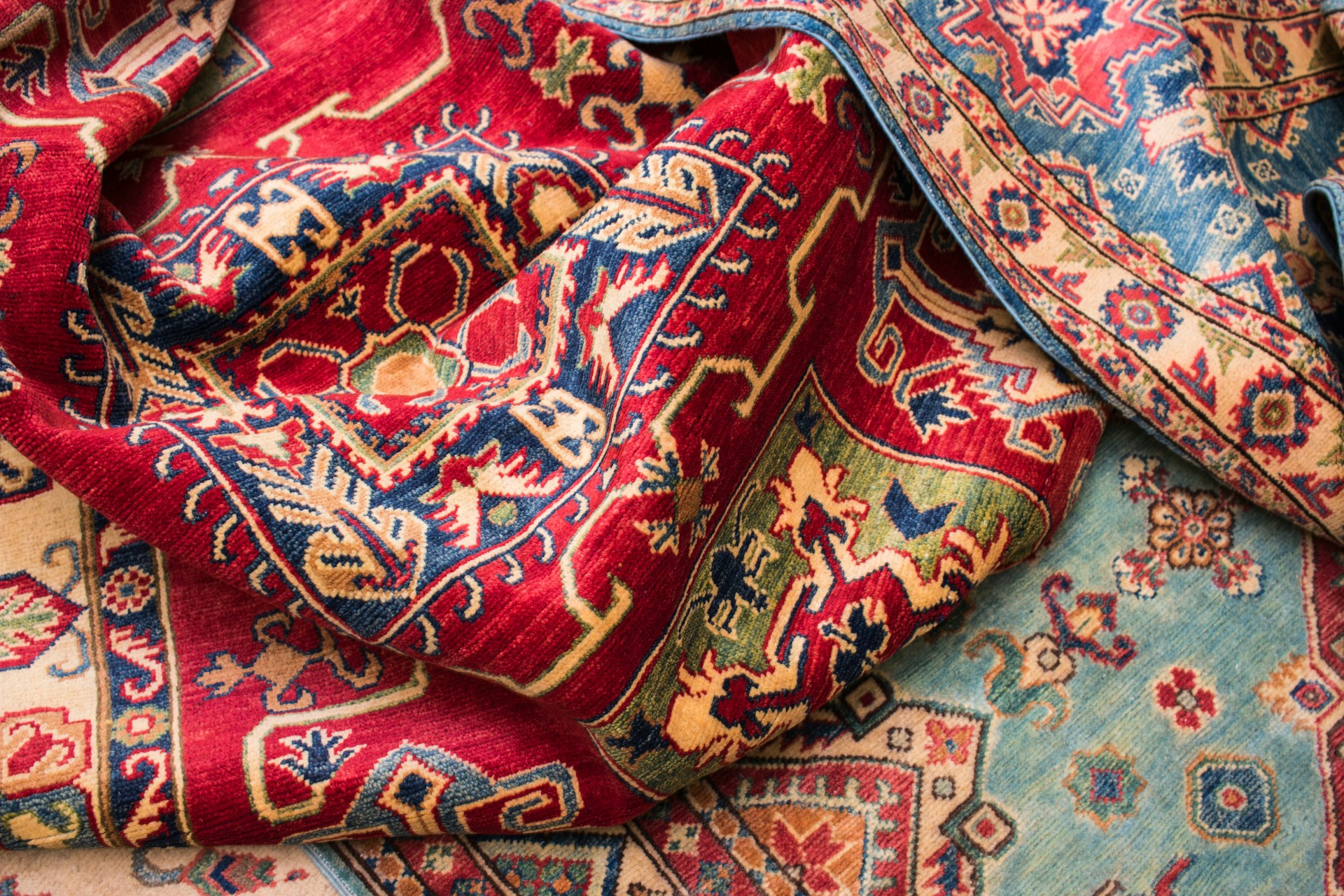
FUR, WOOL & FEATHERS
Understand the signs left by damaging larvae, where to look for activity and how to assess the risk to collections.
DISCOVER MORE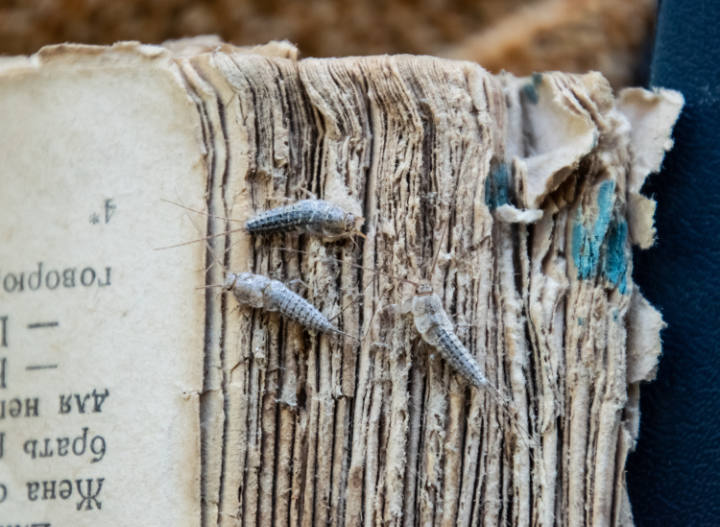
BOOKS, PAPER & ARCHIVES
Discover why these insects favour certain conditions and what you can do to reduce risks to paper and stored materials.
DISCOVER MOREWHY HISTORYONICS?
Since 1997, Historyonics has been instrumental in helping museums & institutions combat insect pests that are damaging to collections.
Knowing which pest is present makes it easier to choose effective management and avoid unnecessary intervention.
Combine careful inspection, housekeeping, monitoring and selected treatment methods to manage risk over time.
Find pheromone monitoring systems, insect traps, insecticides and non-insecticidal control solutions.

MONITOR, MANAGE, PROTECT
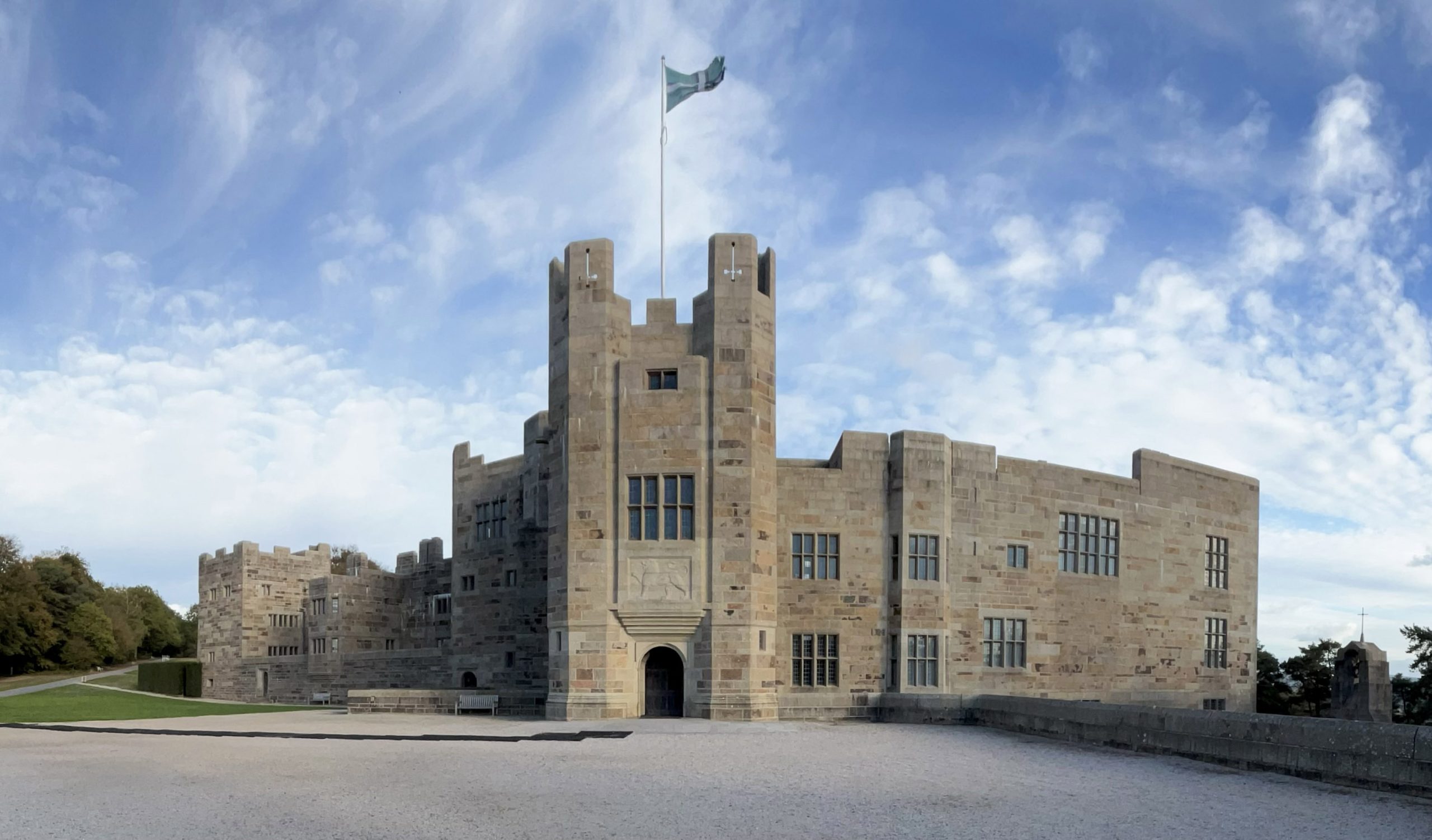
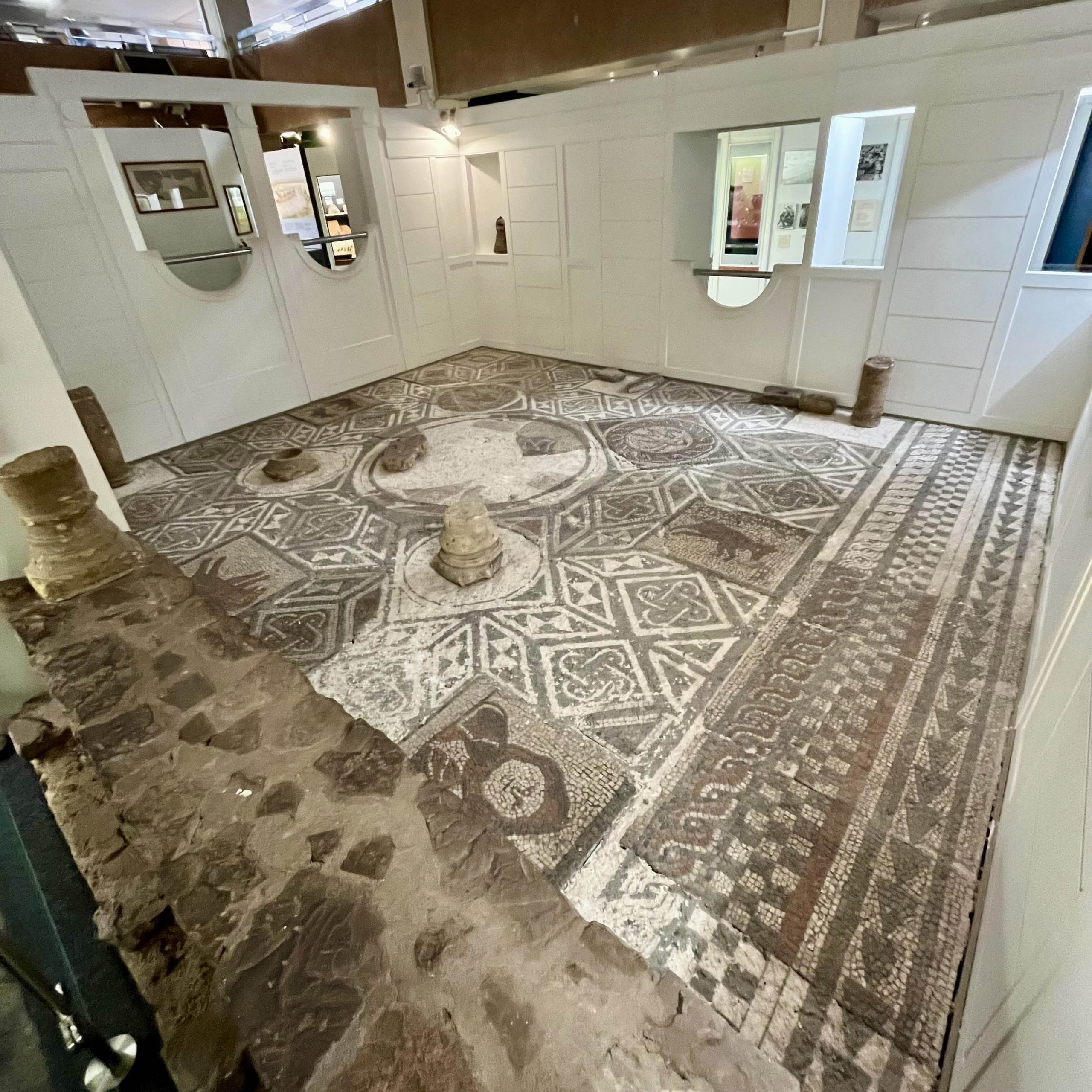
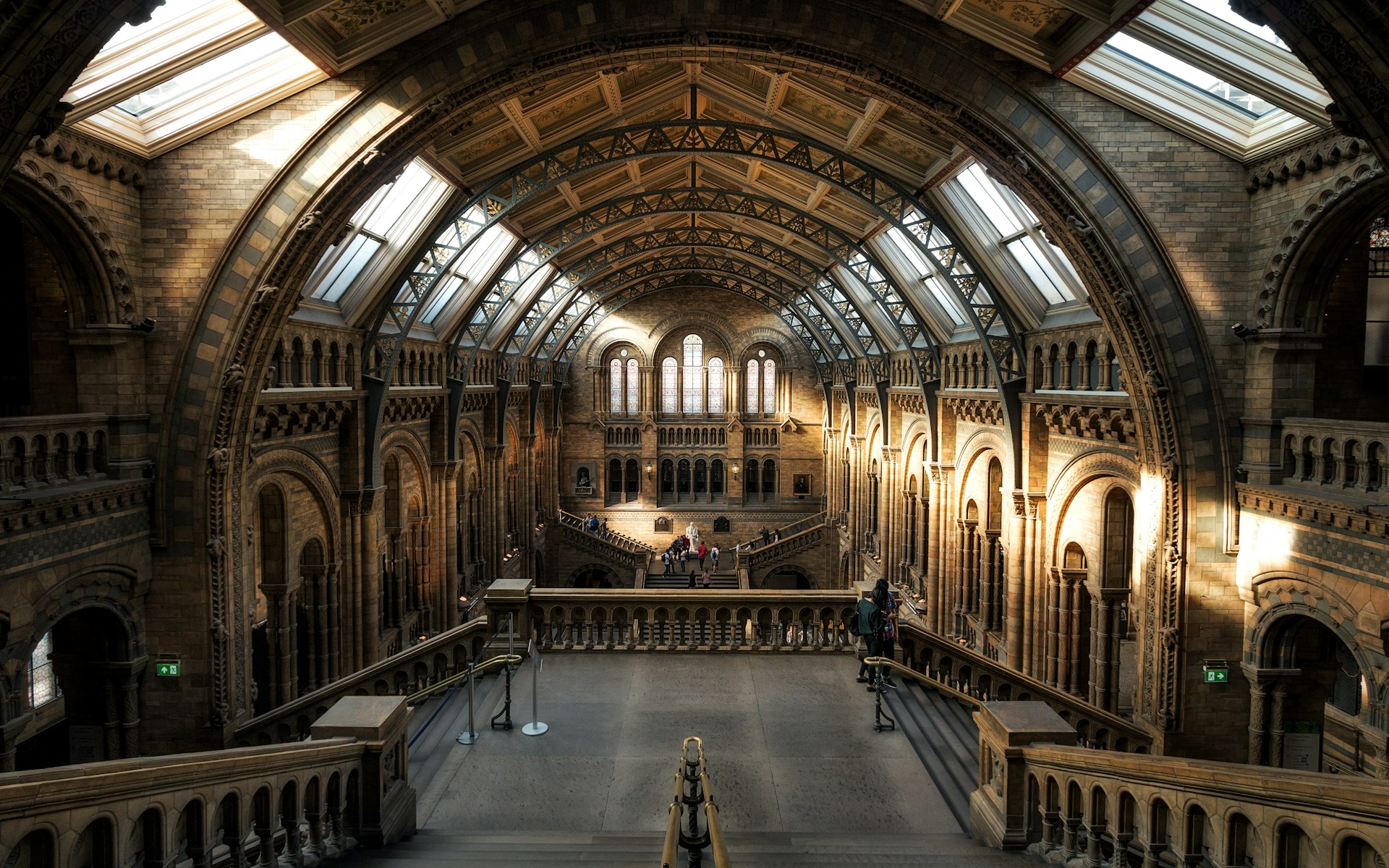
We are proud to serve many great houses, castles, palaces, museums & galleries, churches & cathedrals, libraries, archives & archivists, heritage collectors, carpet manufacturers & retailers, colleges, textile specialists, taxidermists, theatres, opera companies, costume hire, antique specialists, conservators & their clients, housekeepers & home owners
CONTACT HISTORYONICS
01
Look closely at the insect, damage and affected materials before deciding what to do.
PEST IDENTIFICATION02
Use appropriate monitoring methods to establish where activity is occurring and whether it changes.
EXPLORE THE LIBRARY03
Explore specialist traps, pheromone lures and practical pest management products.
SHOP PRODUCTSBiological control uses good bugs to defeat bad bugs. Parsasitoid wasps are tiny insects that complete their lifecycles by attacking other insects. They can be used to control pest populations like clothes moths naturally. Parasitoid wasps are harmless to us and smaller than a dot on this page.
TAKE A LOOK
We are pleased to serve and supply many heritage businesses across the length and breadth of the country (and many overseas) and are happy to help highlight and promote these fine institutions, many of which are run or manned by volunteers.